



The Essential Cybersecurity Controls have become an urgent necessity for every enterprise seeking to ensure business continuity and data protection in the Kingdom of Saudi Arabia. With the accelerating pace of digital transformation and the increasing diversification of cyber threats, relying on conventional security solutions without implementing accredited cybersecurity controls is no longer sufficient. In this guide, the experts at Sahl Tech IT provide a comprehensive roadmap to understand these standards, implement them effectively, and align your technical infrastructure with regulatory mandates with the highest levels of security and reliability.
The Essential Cybersecurity Controls (ECC) are mandatory national standards issued by the National Cybersecurity Authority (NCA) in the Kingdom of Saudi Arabia. They establish the minimum technical and administrative baseline required to protect digital assets, encrypt data, manage access and identity (IAM), and govern cloud computing. Implementing these essential cybersecurity controls for enterprises ensures reduced breach risks, avoidance of regulatory penalties, and the attainment of maximum digital resilience for both government and private entities.
What Are the Essential Cybersecurity Controls?
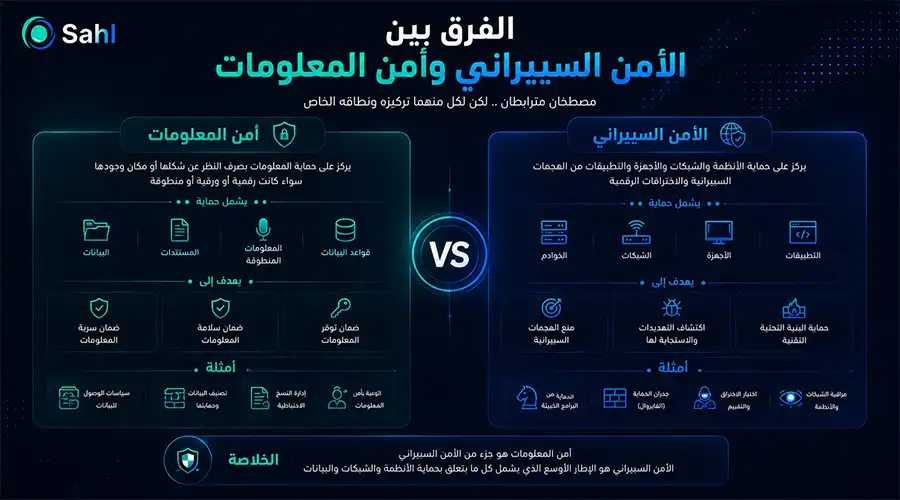
The Essential Cybersecurity Controls are defined as an integrated framework of technical and administrative standards designed to protect systems, telecommunication networks, and data from cyber threats across Saudi organizations. They encompass several core domains: Establishing Comprehensive Security Policies and Strategies: Documenting and officially adopting protection procedures by formulating tailored cybersecurity policies for Saudi organizations. Identity and Access Management (IAM): Restricting access privileges strictly to designated job functions and enforcing Multi-Factor Authentication (MFA). Continuous Risk Assessment and Management: Pinpointing vulnerabilities through structured cybersecurity risk management aligned with NCA regulations and remediating them periodically. Securing Networks and Systems: Deploying next-generation firewalls, segmenting internal networks, and implementing Intrusion Detection and Prevention Systems (IDS/IPS). Data Encryption and Protection: Safeguarding sensitive company and customer data both at rest and in transit across networks against leaks and breaches. Periodic Penetration Testing: Evaluating software and infrastructural resilience while proactively remediating discovered vulnerabilities. 24/7 Threat Monitoring and Incident Response (SOC): Continuously monitoring network traffic to ensure rapid detection and containment of suspicious activities. Data Backup and Business Continuity: Maintaining encrypted, isolated offline backups to ensure rapid operational recovery against ransomware threats. Supply Chain and Cloud Security: Ensuring contractors and third-party vendors adhere to national cybersecurity baselines and mandating local data residency within Saudi Arabia. Get an expert technical consultation from the Sahl Tech IT team today to assess your systems, ensure full alignment with accredited cybersecurity controls, and eliminate operational risks. CTA The value of the Essential Cybersecurity Controls extends beyond mere regulatory adherence to form the cornerstone of enterprise digital defense: Safeguarding Digital Assets and Sensitive Data: Preventing data leaks, corporate espionage, and unauthorized access to customer records. Ensuring Reliable Regulatory Compliance: Fulfilling all NCA regulatory mandates to avoid statutory penalties and operational disruptions. Reducing Incident-Related Operational Costs: Proactive preventative measures are vastly more cost-effective than remediating active breaches and managing financial fallout. Strengthening Market Trust and Authority: Earning the confidence of enterprise clients and government bodies during major tenders and procurement processes across the Kingdom. Mitigating Human Errors: Continuously training internal teams to recognize and counter phishing attempts and social engineering tactics. The types of Essential Cybersecurity Controls integrate across technical, operational, administrative, and physical domains to establish a multi-layered defense posture: Integrating these controls builds a resilient defense perimeter and facilitates seamless NCA compliance assessments. You can also explore the detailed differences between cybersecurity and information security in our previous article, or book a free consultation with our engineers to identify the exact security needs for your enterprise. Speak with our security architects at Sahl Tech IT to identify your required control categories and implement an end-to-end security roadmap. Implementing the Essential Cybersecurity Controls requires an actionable, phased methodology that translates theoretical procedures into robust operational practices: Asset Inventory and Gap Assessment: Identifying all active servers, databases, and software applications via a comprehensive Gap Assessment to pinpoint security gaps. Drafting Security Policies: Formulating clear, actionable policies governing password lifecycles, acceptable usage, and role-based access. Hardening Networks and Infrastructure: Installing enterprise firewalls and strictly isolating development environments from production servers. Deploying Advanced Data Encryption: Applying robust encryption protocols (such as AES-256 and TLS 1.3) across storage arrays and data transmission channels. Scheduling Routine Penetration Testing: Partnering with accredited cybersecurity experts to perform periodic penetration tests and remediate code vulnerabilities. Executing Security Awareness Programs: Conducting regular training and phishing simulations to minimize individual employee risks. Contact the specialists at Sahl Tech today to execute an end-to-end implementation plan that guarantees operational readiness and full compliance with accredited enterprise controls. Compliance with NCA Directives: Mandatory adherence to Essential Cybersecurity Controls (ECC) and Cloud Cybersecurity Controls (CCC). Data Sovereignty and Local Data Residency: Storing and processing government and sensitive business data strictly within data centers located inside the Kingdom. Independent Security Governance: Establishing an autonomous cybersecurity department reporting directly to executive leadership to eliminate conflicts of interest. 24/7 Monitoring and Immediate Incident Reporting: Continuous operational monitoring with mandatory reporting of cyber incidents to the NCA within statutory timeframes. Supply Chain Assurance: Enforcing national cybersecurity baselines across all external contractors, software vendors, and outsourced partners. An effective cybersecurity posture relies on interconnected functional pillars: Confidentiality: Ensuring data is accessible solely to authorized users and processes. Integrity: Safeguarding data from unauthorized modification, tampering, or deletion. Availability: Guaranteeing uninterrupted access to operational systems and services. Identity and Access Management: Enforcing granular access privileges and continuous identity verification. Risk Management and Compliance: Assessing emerging threat vectors and updating security controls dynamically. Sahl Tech IT delivers specialized Gap Assessment services to audit and elevate these core pillars across your technical ecosystem. Adopting accredited cybersecurity controls delivers distinct operational and competitive advantages in the Saudi market: Strengthened Digital Defense: Lowering the probability of successful malware, ransomware, and unauthorized network intrusions. Sustained Business Operations: Reducing unplanned technical downtime and securing mission-critical digital workflows. Enhanced Stakeholder Trust: Assuring clients and investors of the integrity and privacy of their financial and operational data. Cost Optimization: Avoiding catastrophic expenses associated with incident recovery, data breach remediations, and legal liability. Streamlined Audit Readiness: Standardizing risk management in line with NCA frameworks and simplifying periodic regulatory audits. Penalty Prevention: Strict alignment with regulatory mandates issued by the NCA and supervisory bodies. Secured Supply Chains: Eliminating vulnerabilities introduced by external vendors and digital service providers. Rapid Crisis Containment: Predefined incident response plans to neutralize active breaches without halting business operations. Enterprise Eligibility: Qualifying for major enterprise, B2B, and government procurement contracts and tenders. Sahl Tech IT Technical Perspective on Digital Transformation (2026/2027) With the rapid evolution of automated generative AI threats and modern attack vectors, periodic annual compliance is no longer sufficient. Enterprise best practices in Saudi Arabia demonstrate that transitioning toward a Zero Trust Architecture paired with automated, real-time telemetry reduces incident containment time by up to 70%. Combining tailored corporate security policies with dedicated, resilient cloud infrastructure forms the true foundation of long-term digital stability. Modernize your infrastructure with Sahl Tech IT to build an automated, Zero Trust-ready environment aligned with national transformation goals. Comprehensive Security Audit: Cataloging all digital assets and mapping systemic vulnerabilities. Risk Prioritization: Ranking gaps by severity, exploitability, and potential operational impact. Policy Formalization: Adopting organizational governance structures aligned with Saudi national requirements. Deploying Technical Safeguards: Implementing perimeter defenses, multi-factor authentication, and threat detection platforms. Data Encryption and Isolated Backups: Securing critical databases and maintaining immutable offsite backup copies. Continuous Telemetry and Testing: Auditing server logs and executing scheduled penetration tests. Continuous Workforce Training: Iterating employee security training to counter evolving social engineering vectors. Safeguarding data confidentiality and preventing illicit modifications to organizational records. Mitigating operational risk via proactive, NCA-aligned risk governance. Maximizing incident response agility to minimize business disruption. Institutionalizing an organizational security culture across all departments. Accelerating successful compliance verifications during official audits. Protect your digital assets with cybersecurity solutions from Sahl Tech IT. Reach out today to architect a comprehensive defense strategy for your business. Building a secure digital environment requires specialized expertise spanning modern software engineering and national regulatory compliance. Sahl Tech IT provides end-to-end services: NCA Gap Assessment & Compliance Audits: Comprehensive infrastructure evaluations to achieve full alignment with national ECC requirements. Secure Software Development (Secure SDLC): Engineering custom websites, mobile applications, and enterprise platforms with built-in end-to-end encryption. Cybersecurity Policy Formulation: Drafting bespoke governance, IAM, and risk management documentation for Saudi organizations. Vulnerability Assessment and Penetration Testing (VAPT): Auditing networks and applications to identify and remediate security flaws proactively.Importance of Essential Cybersecurity Controls
Types of Essential Cybersecurity Controls
How to Implement Essential Cybersecurity Controls within Organizations
Cybersecurity Requirements in Saudi Arabia
Regulatory authorities across the Kingdom enforce strict requirements to elevate digital infrastructure resilience against modern threat vectors:
Fundamental Elements of Cybersecurity
Advantages of Cybersecurity
Benefits of Complying with Essential Cybersecurity Controls
Steps to Implement Essential Cybersecurity Controls
Core Objectives of Essential Cybersecurity Controls
Difference Between Essential Cybersecurity Controls (ECC) and ISO 27001
Why Choose Sahl Tech IT as Your Cybersecurity Partner?
Frequently Asked Questions (FAQ